Scaling and Standardizing the Figure 8 Design System
Timeline
12 months
Scope
Design system scaling, governance, and component development
Platform
Enterprise SaaS
Problem
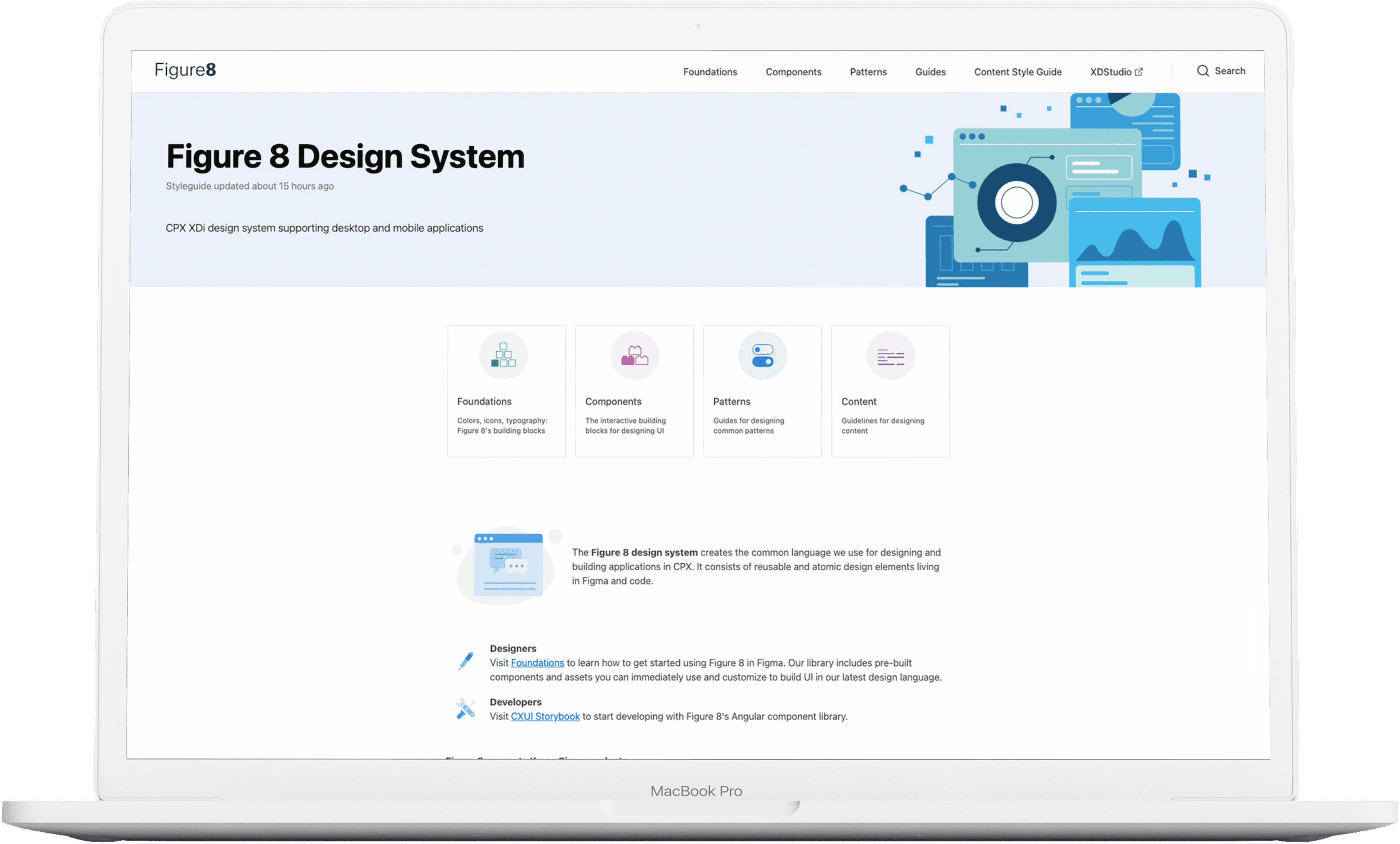
The Figure 8 Design System, used across Cisco’s CX Cloud and PX Cloud platforms, lacked a reliable source of truth and a scalable process for evolving components. While inconsistencies between documented and implemented components created confusion and slowed development, a deeper issue was the absence of a structured system for how components were created, evaluated, and maintained over time.
Because the system was maintained primarily in Figma, there was no reliable way to understand component behavior, usage, or accessibility standards. Teams lacked clear guidance on when to reuse, modify, or create new components, leading to duplicated work and fragmented patterns.
As the product scaled, these gaps made it increasingly difficult to build consistently and add new components without creating duplication or misalignment.
👉 How might we create a design system that teams can trust, while enabling it to scale and evolve over time?
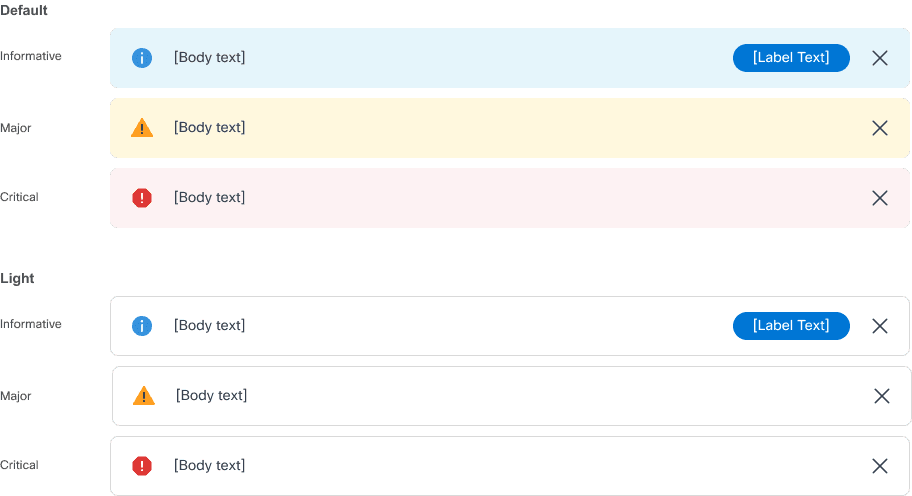
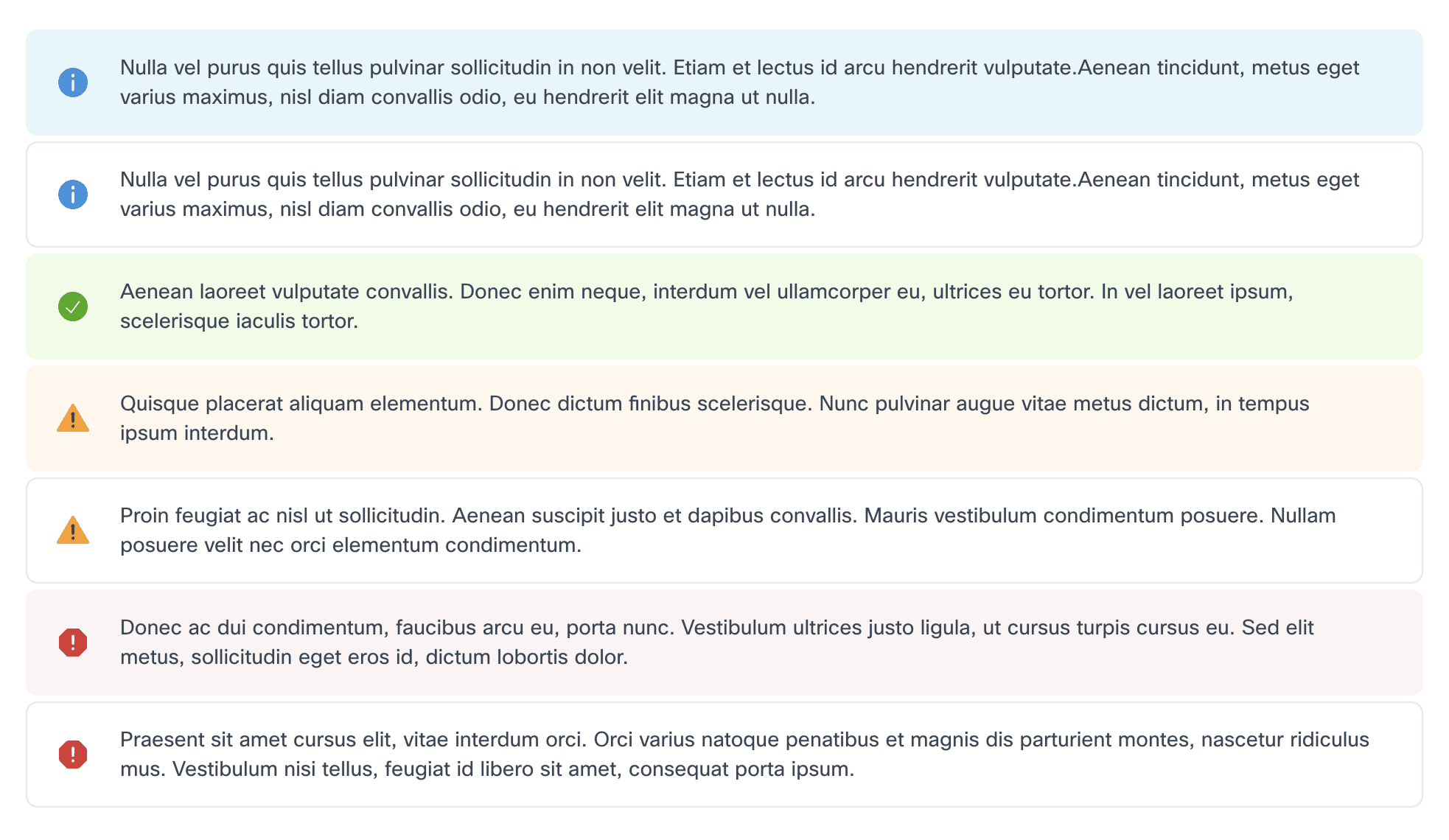
Misalignment between documented components in Figma (left) and implemented components in Storybook (right) made the system unreliable as a source of truth, with missing details such as variants, configurable props, and interaction and usage guidelines.
Approach
I began by auditing the system, comparing documented components with implemented ones to identify gaps and inconsistencies. This helped surface high-impact areas where alignment would improve both usability and team efficiency. In parallel, I partnered with design, engineering, and product to define a scalable approach for evaluating and introducing new components.
A key challenge was balancing the cleanup of existing inconsistencies with the growing volume of new component requests, requiring careful prioritization to improve the system while supporting ongoing product development.

Defined a structured lifecycle for requesting, evaluating, and implementing new components to support consistent system growth.
Key Decisions
I approached the system not just as a library of components, but as a living system that required structure, governance, and clear pathways for growth. A component lifecycle model was established to define how new components were requested, evaluated, and implemented, enabling teams to add components consistently.
To create a reliable source of truth, the design system was migrated from Figma to a centralized documentation site, aligning design and engineering on behavior, usage, and accessibility standards.
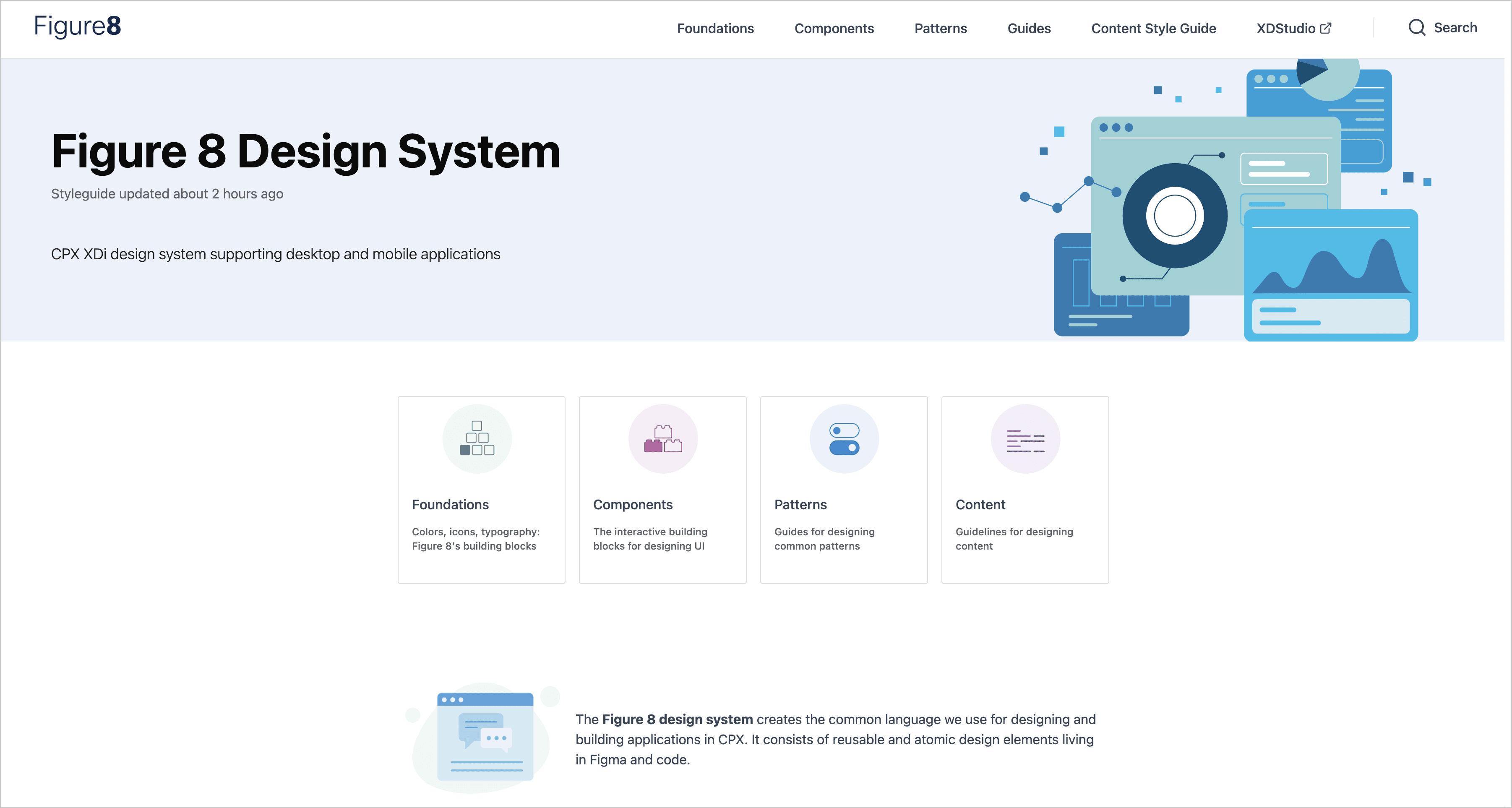
A centralized documentation site established a single source of truth, aligning design and engineering on component behavior and usage.
Standardizing and consolidating existing components reduced redundancy and improved consistency, while clear usage guidelines helped teams determine when to reuse, adapt, or create new components. Ongoing governance through cross-functional reviews ensured long-term alignment, preventing the system from drifting over time.
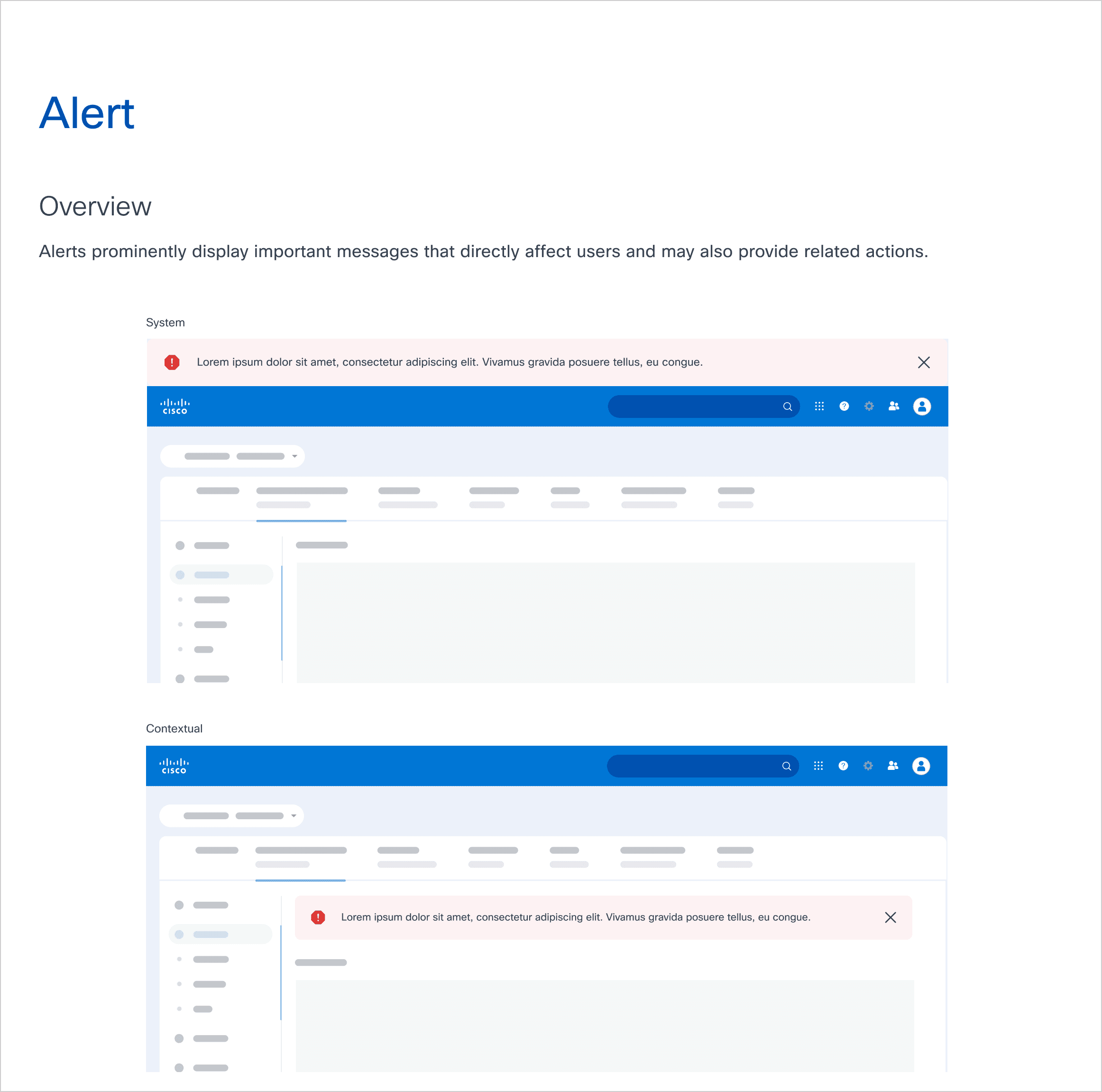
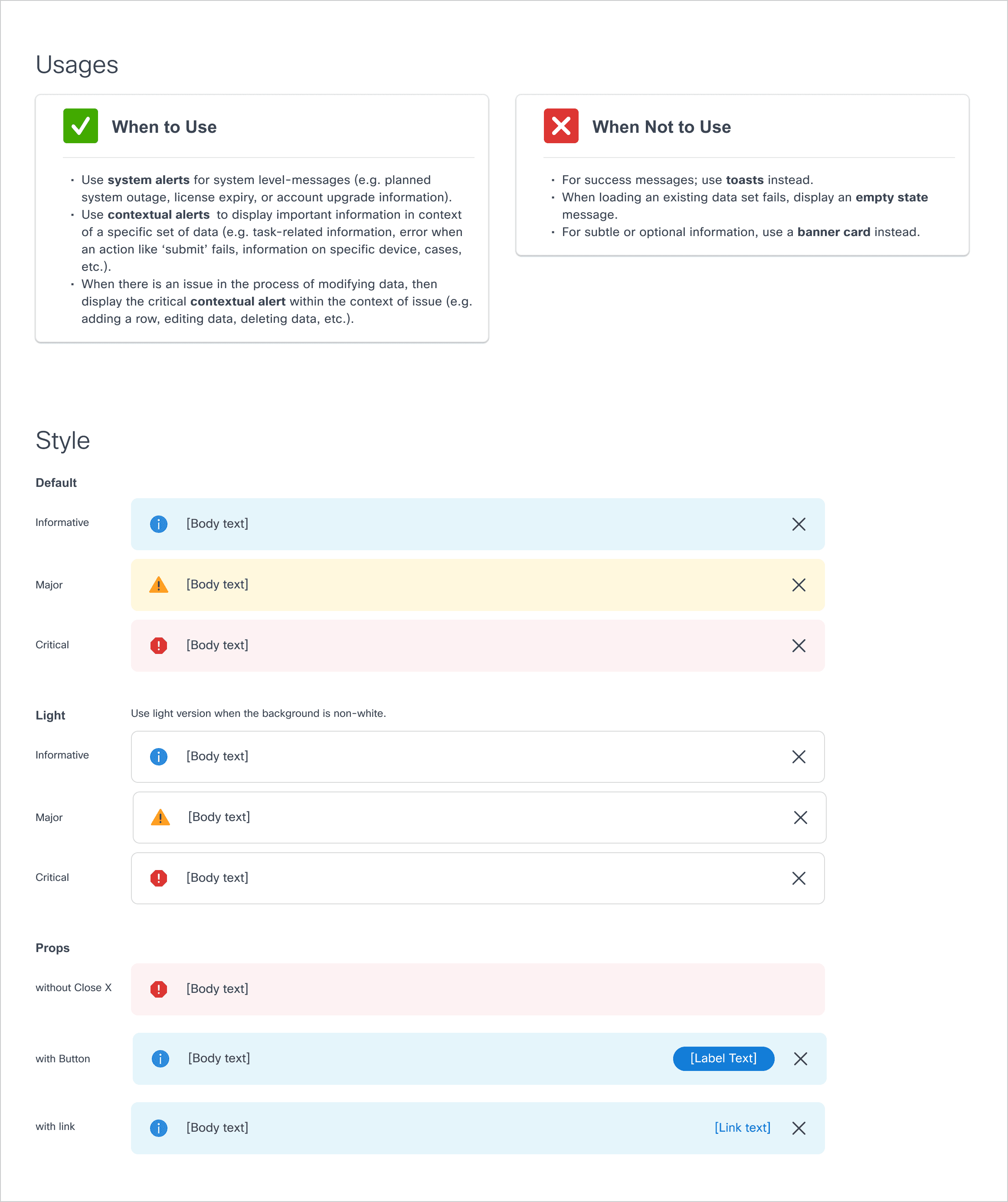
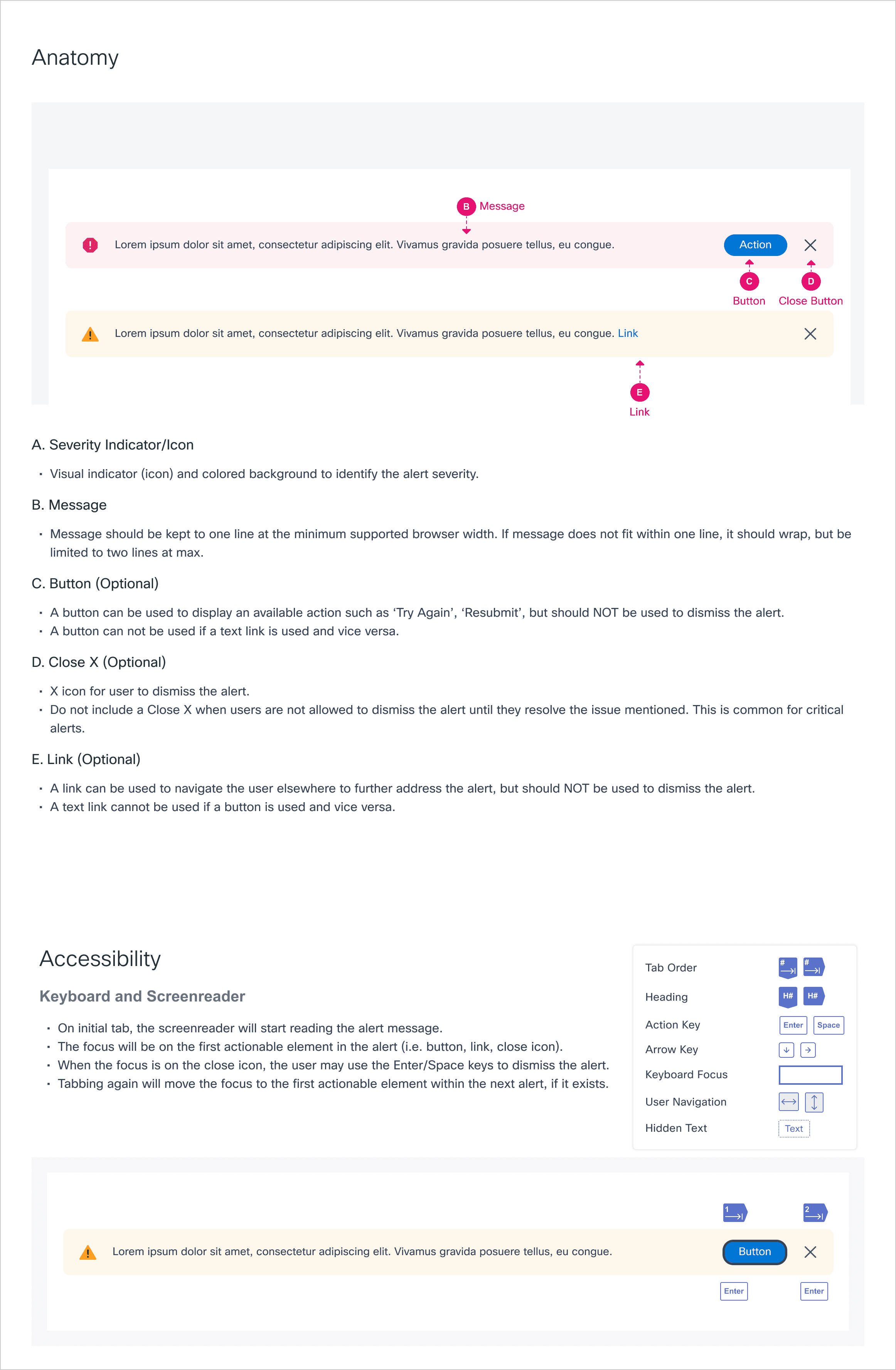
Standardized component specs clarified behavior and usage, enabling more consistent implementation across teams.
Tradeoffs
Standardizing components improved consistency and scalability, but reduced flexibility for teams that were used to creating custom solutions. This required teams to adopt shared patterns rather than designing independently. Investing in documentation and system structure required significant upfront effort, but reduced long-term inefficiencies and rework across teams.
Impact
By establishing a reliable source of truth and aligning design with implementation, the work reduced inconsistencies and eliminated duplicated effort across teams.
It also improved the speed of both design and development by making component usage clearer, enabling teams to build more efficiently. More importantly, the system established a scalable foundation for ongoing component development that teams could trust and rely on as the product continued to grow.
67
components standardized
100%
product team adoption
200+
designers supported
$1.5 million
saved annually
Reflection
I saw how quickly inconsistencies compound without a shared process, and how even small gaps between design and implementation can slow teams down. Creating alignment required more than cleanup. It required introducing structure and ongoing touchpoints to keep design and engineering in sync.
Next Steps
Refine the Figure 8 Design System based on user feedback, shifting product needs, and emerging patterns
Extend the system to better support mobile and responsive design
Other Projects

Reduced time and effort required to find version-and product specific release updates
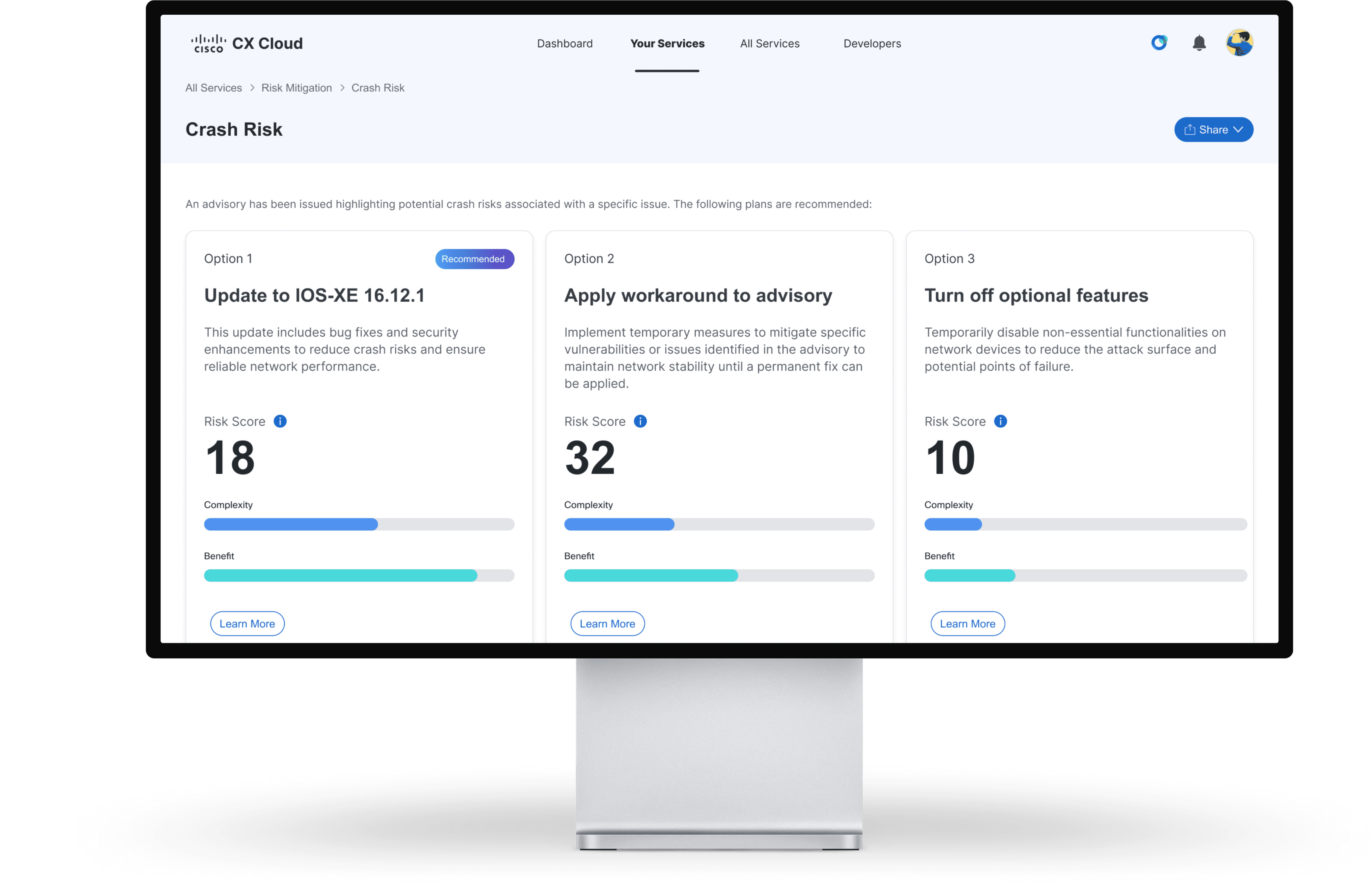
Projected to reduce support case volume by 3%, saving $15M annually

Reduced support calls by 4.2% despite a 17% increase in new users
Copyright 2026 by Jackie Kim